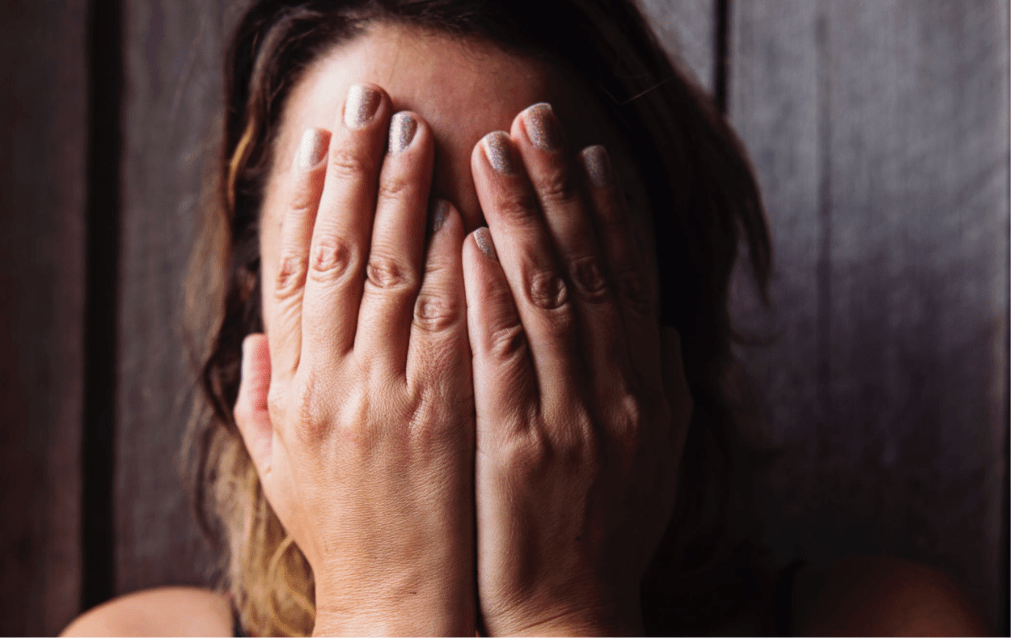
The mind has always been a mystery and continues to be one even today. For the longest time, you were told that a likely cause of depression is chemical imbalance in the body i.e. lowered levels of the feel-good hormone serotonin. But in 2022, this theory was sufficiently disproved.
A recent exhaustive study, “The serotonin theory of depression: a systematic umbrella review of the evidence” published in July 2022 by Joanna Moncrieff and her colleagues has found that there is “no consistent evidence” between the association of serotonin and depression.
Further, the researchers also found that there is no support for the hypothesis that suggests that “depression is caused by lowered serotonin activity or concentrations.” Put simply, the study found no correlation between lowered levels of serotonin in the body and depression.
Speaking to Psychology Today, Moncrieff said, “I think we can safely say that after a vast amount of research conducted over several decades, there is no convincing evidence that depression is caused by serotonin abnormalities, particularly by lower levels or reduced activity of serotonin.”
However, Purvi Shah, a consultant psychologist based in Mumbai, on speaking with The Topical Mill noted that deciding the cause of depression on an ‘either/or’ basis seems very odd to her. She said, “we should look at it from a perspective of cause being on a continuum of biochemical factors vs psychosocial factors.”
But, where did this “chemical imbalance” theory come from?
It is interesting to note that the “chemical imbalance” hypothesis originated in the 1960s and has held its ground strong even today. Most people, including well-known doctors, equate symptoms of depression to a chemical imbalance in the bodily system.
Moncrieff mentioned that this narrative was heavily pushed in the 1990s by pharmaceutical industries in the United States of America to sell a range of antidepressants known as ‘selective serotonin-reuptake inhibitors’ or SSRIs. These antidepressants increased levels of brain neurotransmitter serotonin and therefore, were prescribed since it seemed to be the best and only solution for both patients and doctors alike.
According to Moncrieff, leading psychiatrists and academics around the world have promoted the serotonin theory of depression, while others have clearly stated that it does not have sufficient evidence to support its workings. However, until this detailed review was published, no one could draw conclusions based on the validity of this theory.
The Irony of Antidepressants
Ironically, during this study, researchers found that there is a possibility that the long-term use of antidepressants (used for treating depression) can in fact reduce the concentration of serotonin in the body.
Elaborating on this, Moncrieff stated, “many people take antidepressants because they have been led to believe their depression has a biochemical cause, but this new research suggests this belief is not grounded in evidence.” Therefore, this study now calls into question the use and validity of antidepressants altogether.
To this point, Shah mentioned that the depression cases she has witnessed in therapy for years range from people who have mild to severe symptoms. While some of these patients clearly have precipitating factors (i.e. reasons, causes, factors that may have occurred that can account for the psychosocial causes for depression), others are purely bio-chemical in their aetiology.
“No one case is ever the same. With clients of moderate to severe depression, medications along with therapy have been a great help. Whilst in the milder to moderate cases, therapy alone too seems to have brought about great help.”
Speaking of prescribing antidepressants, Shah said that like any other medication, antidepressants have their part to play in terms of side effects. However, she added that, “with prescribed dosage and regular intervention of the doctor, there may be few side effects that can easily be taken care of.”
Based on reports mentioned in an article by Business Standard, the sale of antidepressants in India has increased by 20 percent in the past two years. In April 2019, the sale of antidepressants amounted to approximately Rs. 189.3 crores. In July and October 2020, sales were recorded for Rs. 196.9 crores and Rs. 210.7 crores respectively. Further in April 2021, sales peaked amounting to Rs. 217.9 crores.
So should antidepressants be stopped altogether?
In her report, Moncrieff stated that, “it is important that people know that the idea that depression results from a “chemical imbalance” is hypothetical. And we do not understand what temporarily elevating serotonin or other biochemical changes produced by antidepressants do to the brain. We conclude that it is impossible to say that taking SSRI antidepressants is worthwhile, or even completely safe.”
Based on this conclusion, Shah made a counterpoint stating that this study “is only looking at one theory and does not take the overall issues in consideration. It does not talk about other chemical imbalances that may cause depression, but talks only about serotonin.”
Shah further mentioned that there have been similar studies done previously regarding the connection of dopamine and depression. “While all these studies might be true, it does not mean it is the only fact. For example, dopamine like any other chemical has a part to play, but it is not the only factor associated with depression,” she said.
Shah concluded by stating that “until we find more comprehensive research, we must continue to guide clients with a combination of therapy and medication. We can apply changes to these as and when the needs of the client calls for it.”
This article is the copyright work of the author and this blog.

 The Topical Mill
Leave a comment